4 Steps Keyword Research Guide

 keyword research is the corner stone of every SEO campaign. This kind of research has now to be really subtle, which requires lots of work and brainstorming. There are lots of guides out there, sometimes really misleading. I do not claim that my guide is perfect, but I give you the tools and I describe what to do with them to get a result. I hope you can make the most of this guide, and get .the very right kind of visitors to your website

Research

1-Collect the keywords
2-Sieve the data
3-Segment the data
4-Build a keyword map

Step 1. Collect the keywords:

At the first stage of your research, you have to collect all the possible keywords to further analyze them and pick the ones that will work best for you. The process may seem to take ages, and the results can be bulky, but there are a few instruments and tricks that can tangibly speed things up.

Identify broad topics
Open your website or a page that you want to optimize for keywords. For example, if you research for the whole site, go through its navigation and segment the site into the broad topics that best describe the products or services that you offer. There can be brand information, product/service names, product/service category names, and any other information related to what you do that can be interesting and useful for the searcher.

Identify the keywords you already rank for
If your website is not new, then you most likely rank for some keywords already. Let’s get a list of them from Google Search Console. Log in to your account and go to Search Traffic > Search Analytics. Check the Impressions checkbox. Set the Dates filter to show 90 days of historical data. Then click Download to export the report in CSV.

Step 2. Sieve the data:

By now you should have a list of potential keywords so long that it can take you to the Moon and back. However, not all of these keywords are a good choice for your site. You should select those that have a perfect balance of bringing both traffic and profit. Thus, we have to do some initial filtering in order to proceed to keyword grouping and crafting keywords into your content.

There are two quantitative criteria that can make your list much more refined — the number of words in your phrases and the search volume.

1)Short tail vs. long-tail
2)Search volume

The filtering
So, we will do the initial filtering according to the two parameters we have just figured out. We will filter out the keyword phrases that consist of more than four words.

Step 3. Segment the data

you do not need your keywords to be in chaos. Neatly and logically organized data makes you see things in a more clear way. Thus, I suggest you should expose your keyword list to some segmentation. There are lots of ways to segment your keywords, but the universal ones for all niches are the following dimensions: semantics, searcher intent, search volume, and competition. Let’s work with them.

Semantic segmentation
In Rank Tracker go to the Target Keywords module -> the Keyword Map sub-module. You can see there so-called buckets — a list of semantic keyword groups that were automatically created for your target terms according to a cutting-age semantic clustering algorithm.

Operations with keyword groups
Segmentation by intent

At this stage of segmentation we need to introduce a new criterion — searcher intent. In order to buy something, people usually go through a few stages

a)Information
b)Research
c)Comparison
d)Purchase

So the formula for a perfect money keyword should be:
Relevant – Transnational – Max search volume – Min competition.

Step 4. Build a keyword map

To build a keyword map means to assign your researched keywords to specific landing pages of your website. Does everyone need to do that?

Hell yeah! When you did such a great job making a keyword dream list, you surely want to avoid keyword cannibalization. What is it? Imagine that several pages of your website are relevant to the same search query. In this case, these pages compete with each other in the SERPs for rankings. As a result, the page that can be less important may rank higher than the landing page you specifically target this keyword with.

Rank Tracker is fully equipped for the creation of a keyword map
Keyword Difficulty – The process .

The good thing about the described procedure is that it is more or less universal for any niche, however, you can apply different criteria for keyword segmentation, for example:

Branded vs non-branded keywords;
Geographic location;
Product line, etc.

For more blogs visit https://ngdc.com.eg/ or you can find our Facebook page also Instagram.

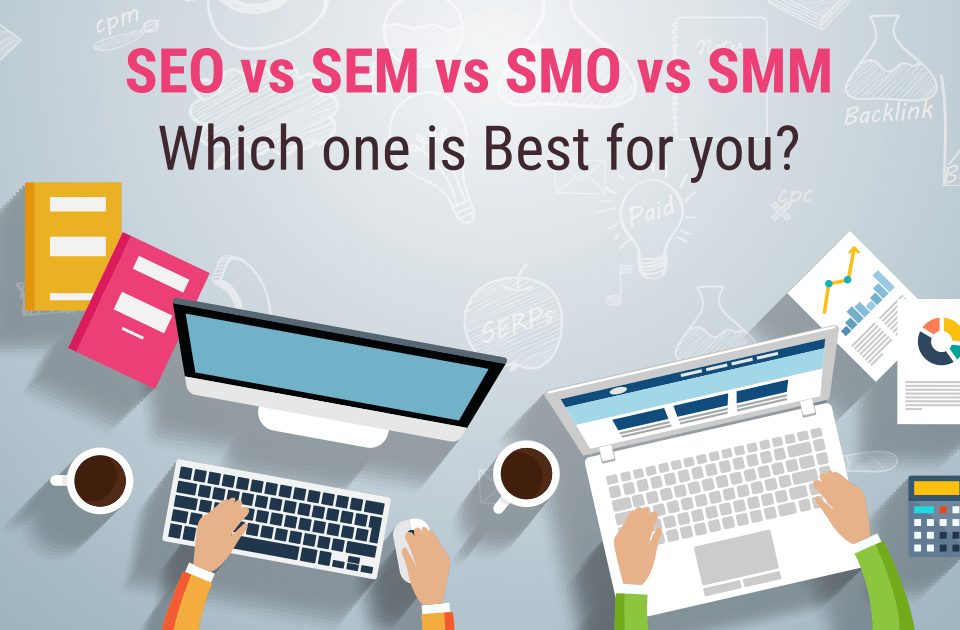
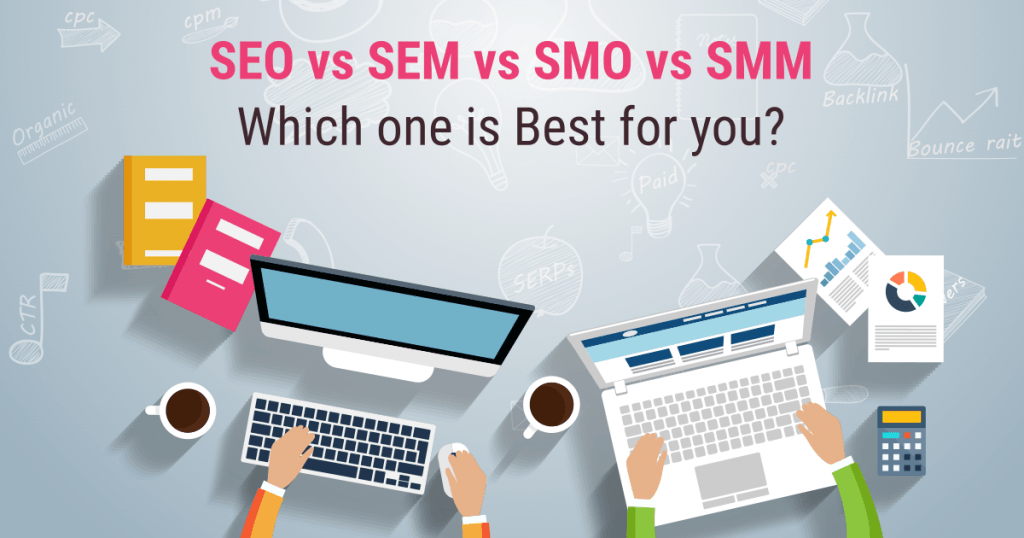
The Difference Between SEO SEM SMM

SEO, SEM, SMM The world of digital marketing is as complex as it is exciting. Young entrepreneurs get into the digital marketing business as freelancers, writers, and web designers. Small businesses use lean digital marketing strategies to grow their presence online and gain new customers. SMBs become massively successful corporations by harnessing the power of enterprise digital marketing. In the modern age, every online entity must have a digital marketing strategy to be competitive in the internet marketplace. However, digital marketing trends are always changing. What works today may be obsolete tomorrow. Furthermore, the popular terms of the month can seem outdated in the next.

Digital marketing terminology can be one of the greatest barriers to the industry for small business owners and marketing novices. The Emergent Digital team has worked with those in the Non-profit sector and have found a similar trend. Let’s face it: we use confusing jargon that very few outside our industry can understand. Below, we delve into SEO, SEM, SMM, which are the most popular commonly-used terms in our field today.

SEO: Search Engine Optimization

Search Engine Land defines SEO as “…

getting traffic from the ‘free,’ ‘organic,’ ‘editorial’ or ‘natural’ search results on search engines.” Essentially, SEO is the process of optimizing your website through various methods in order to rank higher for certain relevant keywords on search engines like Google, Bing, and Yahoo. With effective SEO, your website will appear higher on search engine results pages (SERPs) due to its positive relationship to that search engine’s particular ranking algorithm.

There are plenty of ways to improve your website’s SEO for improved organic digital marketing efforts.you want to perform keyword research to learn what phrases your customers are likely to type into search engines like Google. You will then want to create engaging, original content for your various web pages that include these highly-searched keywords. Your website’s efficiency, architecture, and mobile optimization are other factors that are well-known to be critical in search engine optimization. Finally, other more nuanced factors like the regular posting of relevant content, effective metadata, and the correct alt-tags will provide a greater boost to your site’s performance related to SEO.

SEM: Search Engine Marketing

(SEM) is related to SEO in that they both deal with digital marketing outreach on search engines like Google and bing. it refers to internal, organic website optimization while search engine marketing is commonly known as advertising through a paid media budget.
While SEO will help your website traffic increase through natural algorithmic means, SEM earns traffic through the process of purchasing ads on search engines.The top four results have a small green box that says “ad” underneath the primary title link. This signifies paid advertising, or search engine marketing, where a brand or business has paid Google to display their ads at the top of the page for that specific keyword.

There are many targeting factors that come into play in this form of digital marketing. Through search engine marketing on Google Adwords, you can choose the location and several other factors to improve the efficiency of your paid advertising campaign. This form of SEM is often referred to as Pay-Per-Click (PPC) advertising.

SMM: Social Media Marketing

SMM refers to both organic and paid digital marketing efforts on social media networks like Facebook, Twitter, and LinkedIn. Social media marketing encompasses many different activities and many consider this to be the future of digital marketing. While social media channels become the hub of activity online in the modern age.this is where consumers engage each other in conversation. Furthermore, it’s also the nerve center of business and brand engagement for large subsets of the population.

Having a Facebook page is almost necessary for digital marketing efforts in the current online marketplace. Having multiple social media accounts on the right networks is even better. Moreover, posting relevant content regularly and building an engaged audience of followers can help grow your business immensely. Finally, paid social media campaigns have become immensely effective, even rivaling the similar efforts made on search engines.