We’ve mentioned Generation Z in both of the previous topics for good reason.
RetailDive had this to say about Generation Z and their associated social media trends:
“Gen Z is two- to three times more likely to be influenced by social media than by sales or discounts — the only generation to value social media over price when it comes to making purchase decisions…”
Furthermore, 81% report watching at least one hour of online video per day, or more, according to a study by Fluent, covered by AdWeek. Combine these facts and realize that droves of Generation Z will graduate college and/or start careers next year, and you start to see the powder keg.
In-Platform Messaging & Instagram Stories
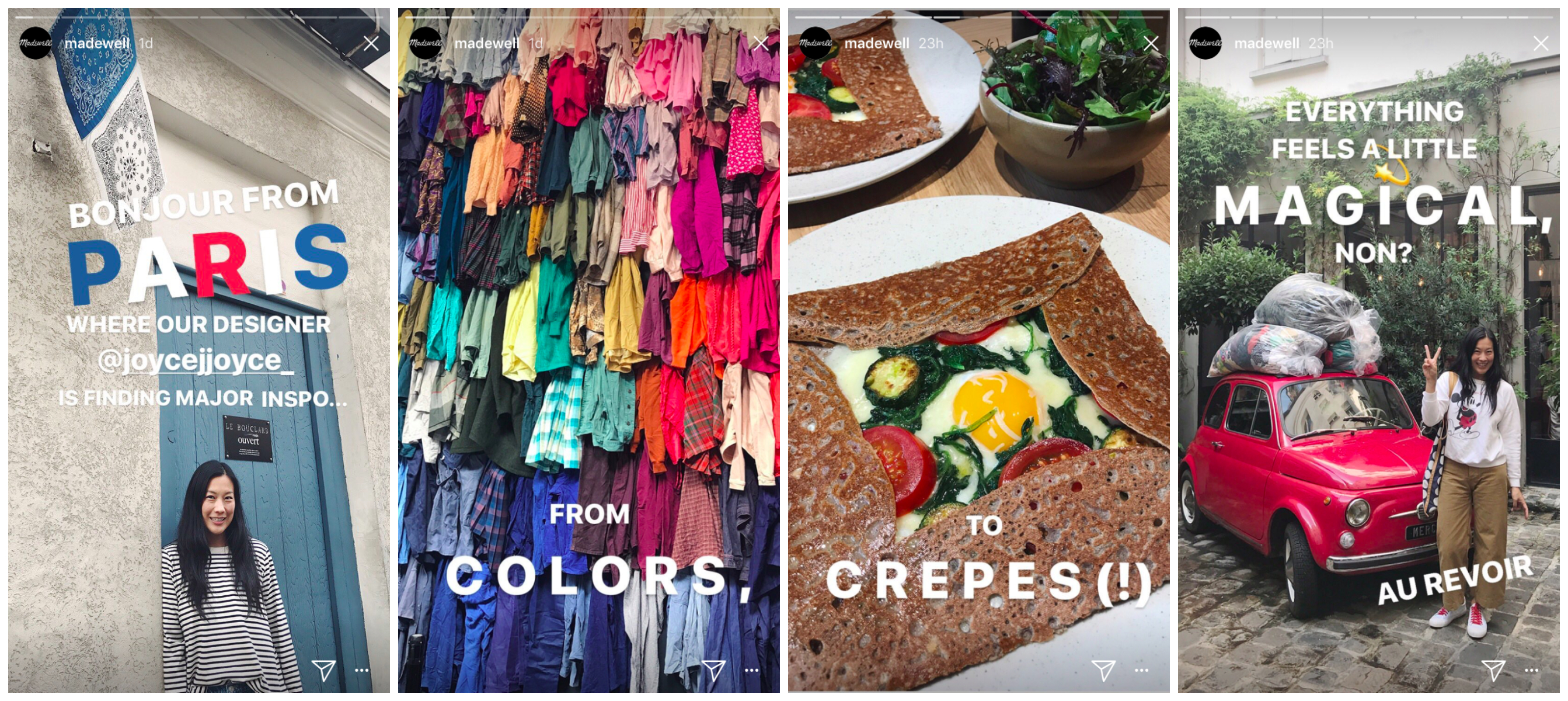
It hasn’t been long since Instagram launched Stories to compete with Snapchat. But in that short period of time, Instagram Stories accrued more than 250 million daily users. That’s astonishing compared to the 173 million daily active Snapchat users, which took years to build.
Instagram Stories tops our social media trends for 2018 list because of the sheer engagement numbers it posts. For example, 1 in 5 organic Instagram Stories from brands see at least one direct message from a consumer. That’s a huge potential for engagement through a somewhat new medium.
The push for “ephemeral” video content (content that lasts a short period of time before disappearing) is continuing to grow for social platforms. And surprisingly, Instagram is leading the way for brands to get more messages through the app.
In fact, the average time spent on Instagram per day grew to 28 minutes since the launch of Stories. That’s roughly 7 to 13 minutes longer than time ranges collected just before Stories. However, users aren’t only ones participating. Instagram has more than 1 million advertisers actively using Stories each month.
For businesses, it’s essential to reach these users where they spend their time. It’s not only smart to understand the in’s and out’s of Instagram Stories, but to be proactive in including it within your social strategies.
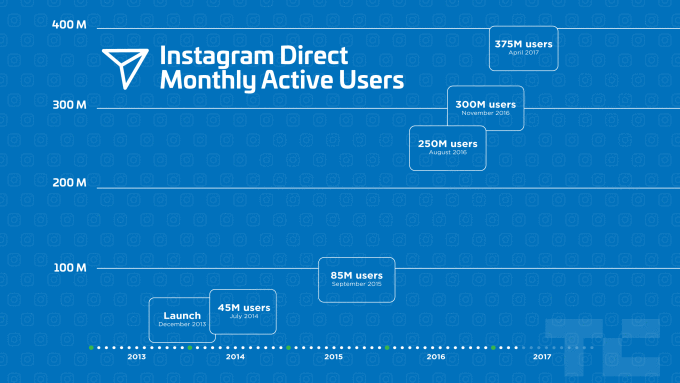
But it’s not only the ability to send ephemeral content attracting Instagram users, it’s the in-platform messaging and communication features as well. There are more than 375 million monthly active users communicating via Instagram Direct.
Users love the ability to chat back and forth within photos and videos. This limits the need for texts or public comments. Marketers should expect this trend to continue to rise.
Small businesses are increasing their social presence
Nobody can afford to ignore social media anymore. It’s become a regular part of our everyday lives.
Ten years ago, small business owners may have thought it was unnecessary to build a presence on social media, but now they are all realizing how important it is for staying competitive.
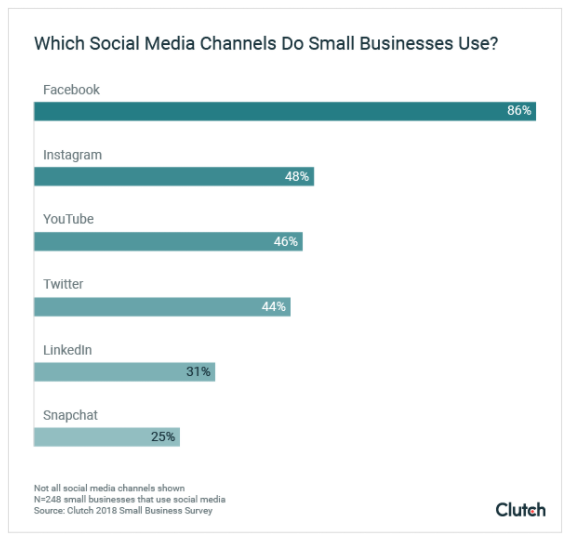
While Facebook is still the most popular option, other social channels are seeing an increase in the number of small business users.
With so many platforms to manage, business owners are being forced to change the way they operate.
They are hiring social media marketing managers and using time-saving tools to help manage and schedule their posts with automation.
Businesses without active social media profiles will struggle to survive in 2018.
Referral traffic and organic reach are declining
Social platforms are changing their algorithms. This is impacting what users see on their timelines.
As a result, homepages and timelines aren’t flooded with as many posts and ads from brands. Instead, posts from family and friends are being prioritized.
In previous years, these algorithm changes have caused organic reach on Facebook to drop more than 50%.
So you can’t rely on all your social media posts to drive traffic and clicks to your website.
That’s why brands need to come up with alternative social media marketing methods such as paid ads and micro influencers to increase referral traffic.
Ephemeral content
If you haven’t heard of ephemeral content before, it doesn’t mean you’re not familiar with it.
The definition of ephemeral content is something that is short-lived, lasting for up to 24 hours before disappearing forever.
Of course, I’m referring to things like Snapchat and Instagram stories. After Snapchat came up with this concept, Instagram quickly recognized its popularity and implemented it on its platform as well.
The reason why short-lived content is so popular is because people feel as though it is more authentic compared to a traditional sponsored advertisement.
Users love it and add such content to their personal profiles on a daily basis. But brands need to take advantage of this as well.
It’s a great alternative to live video streaming, but it has similar effects.
It’s an opportunity for you to post several times throughout a day without spamming your followers’ timelines.
For example, you may not want to post five pictures and videos per day on Instagram. Users who follow you may perceive this to be an annoyance.
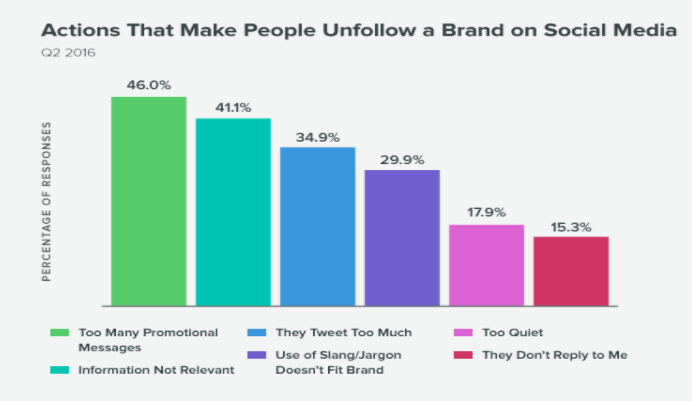
In fact, posting too frequently on social media can cause people to unfollow your profile.
But adding new content to your story isn’t as annoying because it doesn’t take up space on everyone’s timeline the same way a picture or video would.
Plus, these types of stories create the fear of missing out.
If your business starts to regularly share ephemeral content, users will make sure to check back frequently to make sure they aren’t missing out on anything.
I’d recommend using this strategy to run flash sales or other promotions to drive sales. We’re going to see more businesses as well as regular people add more short-lived content to their social media profiles.
Augmented reality
Augmented reality takes something that’s real and alters it using technology.
One of the best examples of augmented reality successfully applied to the consumer market was with the Pokemon Go gaming app.
The app accessed the user’s camera and added fictional elements to the screen.
But now, social media channels are implementing augmented reality on their platforms as well. I’m sure you’re familiar with Snapchat’s face filters.
They are taking augmented reality to a whole new level with these features. They even built an augmented reality studio for developers to design unique animations.
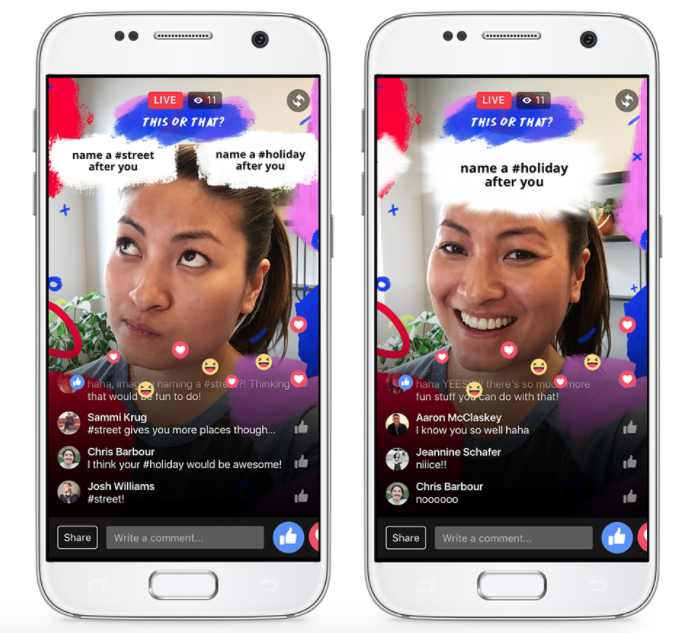
These filters respond to motion and interactions in real-time, even during live streams.
Here’s an example of what this looks like during a Facebook Live broadcast:
Since Facebook also runs Instagram, it’s safe to say these types of options will be available on that platform as well during 2018.
I’m expecting to see big changes in social media augmented reality in the near future that will be much more impressive than just a dogface filter.
Encourage them to use hashtags and post about your brand on social platforms. One of the simplest ways to accomplish this is by posting user content to your company’s profile.
If people see you are willing to feature user photos, more people will post about you in an effort to be selected.
Look at how Thule employs this strategy on its Instagram page:
As you can see from the comments section, the user who shared this photo even thanked Thule for posting their content.
Now more followers will be encouraged to do this as well. It will broaden the reach of their products to a wider audience.
When a customer posts about your company on their personal profile, it exposes your brand to all of their followers. Some of these people might not even know your brand exists.
Plus, people trust recommendations from their friends and family.
That’s why leveraging user-generated content is a top lead generation strategy. Social media platforms are the perfect distribution channel for this type of content.
Social listening
Social listening
Social platforms are listening to your conversations. Whether you want to believe this or not, it’s the truth.
I know you’ve seen it before. You’re talking about something with your friends and then you see an advertisement for it on social media.
Creepy? Yes. But that’s the reality of the world we live in right now.
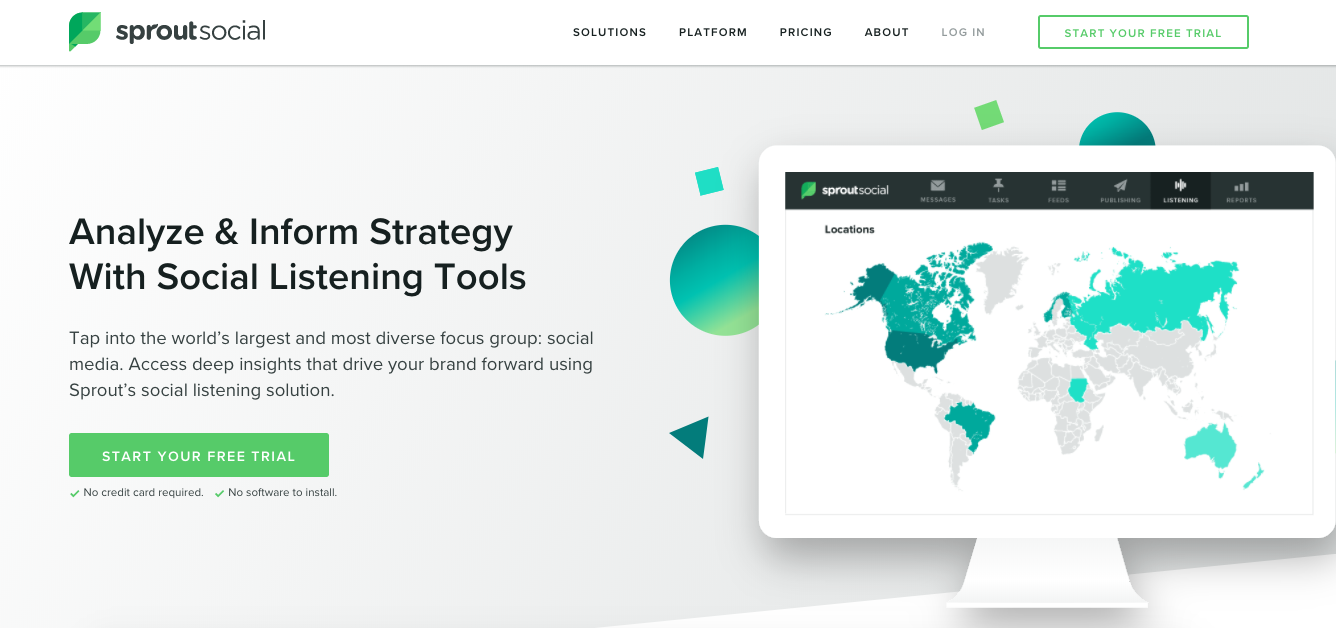
Marketing solutions like Sprout Social offer social listening tools to help brands analyze various audiences.
There are many ways in which businesses can take advantage of social listening.
It gives you the opportunity to see what consumers say about your company. But you can also use this tool to monitor relevant keywords or hashtags used on social media.
You can use this data to adjust your marketing strategy accordingly and make sure you’re targeting the right audience.
Brands are taking advantage of paid advertisements
It’s 2018, so businesses know they need to have an active presence on social media. They have profiles on multiple platforms and update them on a daily basis.
While this is definitely necessary for survival, it’s not quite enough.
Companies that want to take their social media strategies to the next level also pay for advertisements.
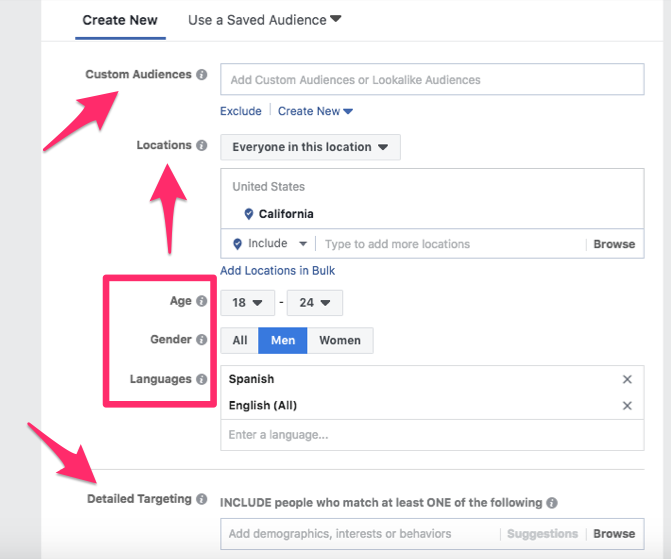
That’s because it’s become very easy to set up ads to target a specific demographic. It’s hard for businesses to turn down this type of precision in targeting.
Just look at how simple these options are for marketers who want to advertise on Facebook:
In addition to being able to reach such a precise audience, Facebook also makes it easy for you to set your budget. You can set it up on a daily or weekly basis. It’s also possible for brands to manage their budgets based on the lifetime of each ad.
There are also many different options for the type of ad you want to run.
It’s easy to experiment to find out what works best for your company based on the demographic you’re targeting.
Research shows that by the year 2020, social media advertisements will surpass newspaper ad spending.
I anticipate that more companies will allocate a larger portion of their marketing budgets to paid social media ads in 2018.